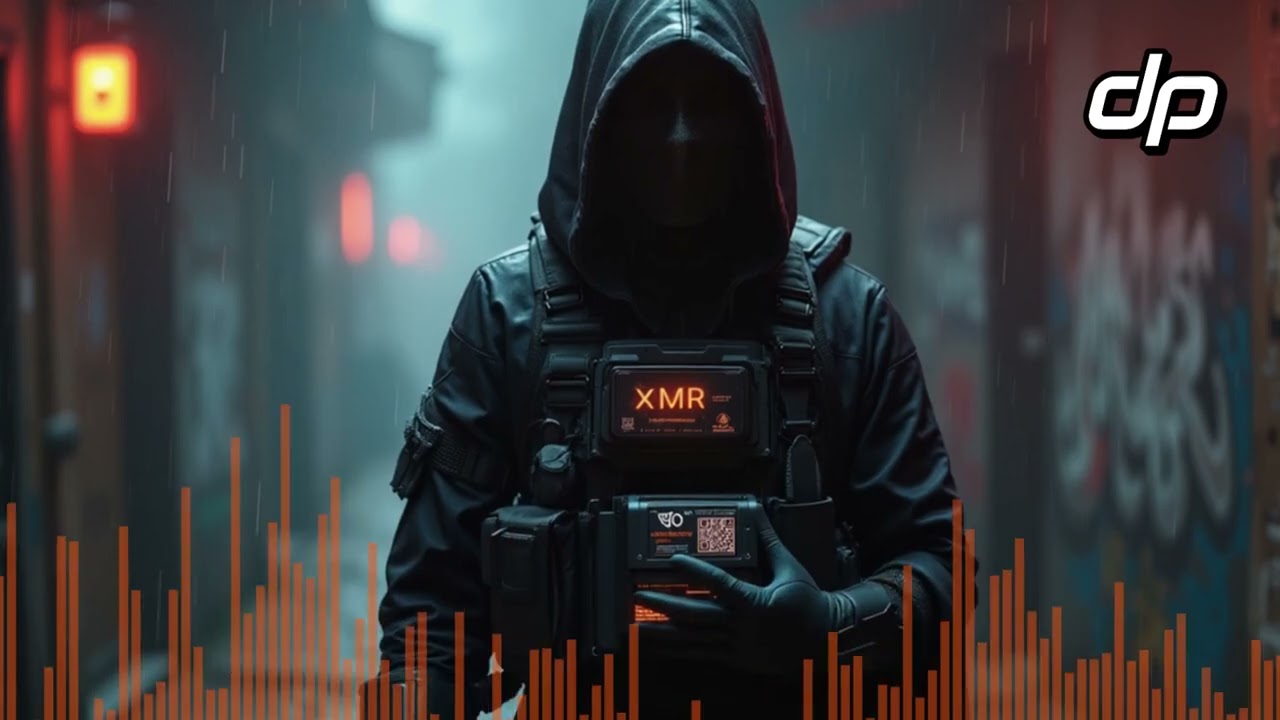
One of the recurring debates around Monero is its criminal use. Critics often frame this as a moral problem: if criminals use it, does that make Monero morally “tainted”? From a libertarian or agorist perspective, the answer is much clearer: no, and here’s why.
1. Core Libertarian and Agorist Principles
Libertarian and agorist ethics rest on a few core pillars:
-
Property rights
-
Voluntary exchange
-
Individual responsibility
-
No collective guilt
From this framework, tools themselves are morally neutral. Responsibility lies with actors, not infrastructure.
The baseline position is:
The fact that criminals use or own a tool does not morally taint the tool or its other users.
We already accept this for: cash, roads, telephones, encryption, knives, and even the internet itself. Monero fits naturally in this category: a privacy-preserving medium of exchange.
2. “Follow the Money” Isn’t Morally Neutral
Critics sometimes argue that Monero is dangerous because it prevents “following the money.” But let’s unpack what that actually means.
In practice, “follow the money” often entails:
-
Mass financial surveillance
-
Guilt-by-association
-
Pre-crime analytics
-
Asset seizure without conviction
-
Deplatforming based on heuristics
From a libertarian standpoint, a system requiring universal surveillance to catch a few criminals is itself unjust.
Monero’s resistance to tracking is therefore a feature, not a bug. It:
-
Restores financial privacy
-
Prevents dragnet monitoring
-
Forces investigations onto actual evidence rather than graph analysis
This shifts policing from:
“We watched everyone and flagged you” to: “We suspect you and must prove it.”
3. Criminal Ownership and Value
Some raise a subtler concern:
“Criminal demand could structurally benefit holders, creating indirect moral contamination.”
This is a legitimate moral question, but libertarian ethics treats it carefully.
4. Indirect Benefit ≠ Moral Guilt
Libertarian ethics generally rejects assigning moral guilt based on market flow:
-
A grocery store profits even if criminals buy food
-
A landlord profits even if a tenant later commits violence
-
Gold holders historically benefited from looting
The principle is simple: if an exchange is voluntary and non-coercive, you are not responsible for unrelated downstream uses.
Otherwise, all markets would be impossible, every asset has historically passed through immoral hands.
5. Is Monero Uniquely “Bloody”?
Short answer: no, but it is more honest about it.
Fiat currency has been used in crime, war, corruption, authoritarian repression, and inflation theft. What fiat hides is institutional legitimacy and distance from victims.
Monero doesn’t hide criminal use, it simply refuses surveillance. Feeling like this makes it “worse” is largely a psychological effect, not an ethical one.
6. The Agorist Perspective
Agorism adds another layer:
-
State definitions of “crime” are often unjust
-
Privacy tools protect dissidents, journalists, protesters, sanctioned populations, and those in survival economies
-
The same anonymity that shields criminals also shields victims of abusive regimes
The moral calculus: do we tolerate some criminal use to preserve space for non-coercive counter-economics? Agorists usually say yes.
7. Real Concerns
The actual risks are narrower than many think:
-
Reputational fragility
-
Political backlash
-
Centralized chokepoints (exchanges, devs, infrastructure)
-
Ethical complacency among users
These are strategic concerns, not intrinsic moral failures of Monero.
8. A Sharp Distinction
Libertarians make a key distinction:
-
Money that incidentally enables crime → acceptable
-
Tools designed to exploit victims → unethical
Monero does not reward violence, force participation, or require victimization. It merely refuses surveillance, ethically very different from ransomware platforms, scams, or extortion tools.
9. Bottom Line
From a libertarian and agorist perspective:
-
Criminal ownership of Monero is morally irrelevant
-
Breaking “follow the money” is ethically positive
-
Value increase from criminal use does not create moral taint
-
Fiat is not morally cleaner, it’s just normalized
The real ethical question isn’t whether criminals accidentally make Monero more valuable, it’s that ordinary people shouldn’t have to give up their privacy just to catch a few criminals.
A society that demands universal financial surveillance to feel morally clean has already abandoned libertarian ethics.