Since the arrival of the new U.S. administration, the relationship between the United States and its European allies has become increasingly complex, marked by a combination of strategic pressure and political decisions that have produced unexpected effects. Historically, Europe has maintained a deep reliance on the U.S. for defense — since the end of World War II, Washington has been the main supplier of arms, training, intelligence, and nuclear deterrence for NATO countries. This dependence solidified over more than 80 years, creating logistical and industrial structures closely tied to American interests.
With the change in administration, the U.S. began demanding that European allies increase military spending and purchase American-made weapons, in a logic that combined strengthening the U.S. defense industry with maintaining strategic influence in Europe. However, this pressure had the opposite effect of what was intended. Instead of consolidating America’s role as the dominant supplier, it encouraged European countries to strengthen their autonomy and diversify suppliers, accelerating a historical transition that would have been difficult to achieve naturally in just a few years.
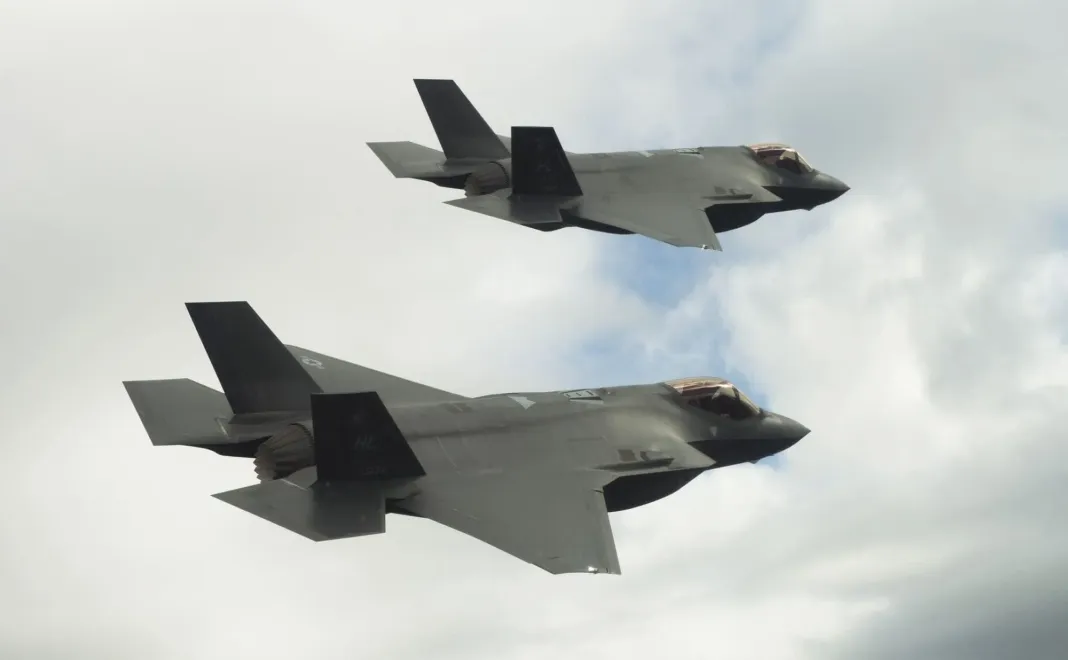
Clear examples of this movement include Germany, which reinstated compulsory military service and is investing in European and Israeli air defense systems; France, which is relying on its own nuclear capability to guarantee continental defense; Poland, which is set to double its armed forces; Portugal and other countries, which are choosing European fighter jets over the U.S. F‑35; and Ukraine, which contracted aircraft from Sweden. These steps reflect a collective European decision to reduce dependence on Washington and take greater responsibility for their own security.
The situation has become even more sensitive with signs of U.S. rapprochement with Russia. Some diplomatic gestures and bilateral negotiations — including discussions on energy security and limits of zones of influence — have been perceived by several European countries as a way for Washington to negotiate interests directly with Moscow, without full consultation with NATO. For many, this created the impression that the United States was acting like a former imperial power, implicitly dividing spheres of influence with Russia, including the management of conflict and strategic resources in Ukraine.
The result is an ironic paradox: the United States asked its allies to purchase arms and strengthen their military forces, but its strategy to maintain influence ended up accelerating the opposite outcome. American demands have spurred Europe to develop its own forces, invest in its defense industry, and diversify suppliers, gradually reducing dependence on Washington. At the same time, the perception that the U.S. might negotiate with Russia increases Europe’s urgency to secure strategic sovereignty and independent decision-making capacity.
In short, what the United States expected to be a reinforcement of its influence became a catalyst for European autonomy. The “plan backfired”: the pressure for purchases and increased spending stimulated an internal military build-up, technological diversification, and continental coordination, accelerating the emergence of a more independent Europe in defense matters, even without a formal rupture with the U.S. The irony is clear: the allies not only fulfilled the demands but used them to assert their own sovereignty and reduce vulnerabilities, creating a new geopolitical balance in which Washington is no longer the sole supplier or uncontested authority in European defense.