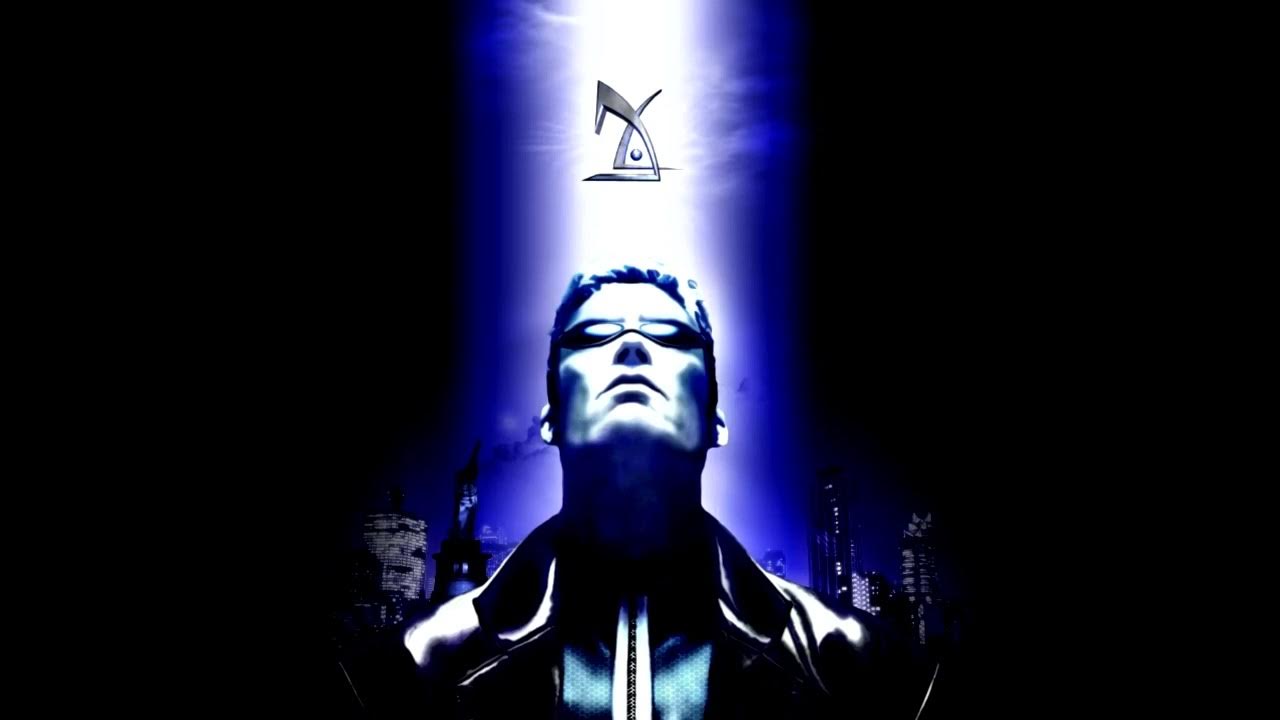
Since its groundbreaking release in 2000, the Deus Ex series revolutionized gaming, blending role-playing, stealth, and cyberpunk storytelling in a way that redefined interactive narratives. Its influence is far-reaching: not only did it pioneer player-driven choices that genuinely affect the world, but it also introduced philosophical and sociopolitical themes rarely explored in games.
Throughout the series, humanity is caught in the shadows of secret societies, powerful corporations, and manipulative governments. Organizations like Majestic-12, the Illuminati, and the myriad corporate conglomerates illustrate how centralized power seeks to dominate knowledge, technology, and freedom itself. These conspiracies are more than narrative devices, they are reflections of the constant struggle between autonomy and control, a reminder that technological progress carries both opportunity and responsibility.
Augmentations — the game’s signature mechanic — serve as more than gameplay enhancements; they are a metaphor for human evolution and the pursuit of self-determination. Each choice, whether to embrace cybernetic strength, intelligence, or stealth, challenges the player to navigate the ethical consequences of power. Should one conform to the rules imposed by controlling institutions, or seize autonomy and redefine what it means to be human? Deus Ex forces players to confront these questions in a world where technology can either empower humanity or be weaponized by those who seek control, making every choice profoundly consequential.
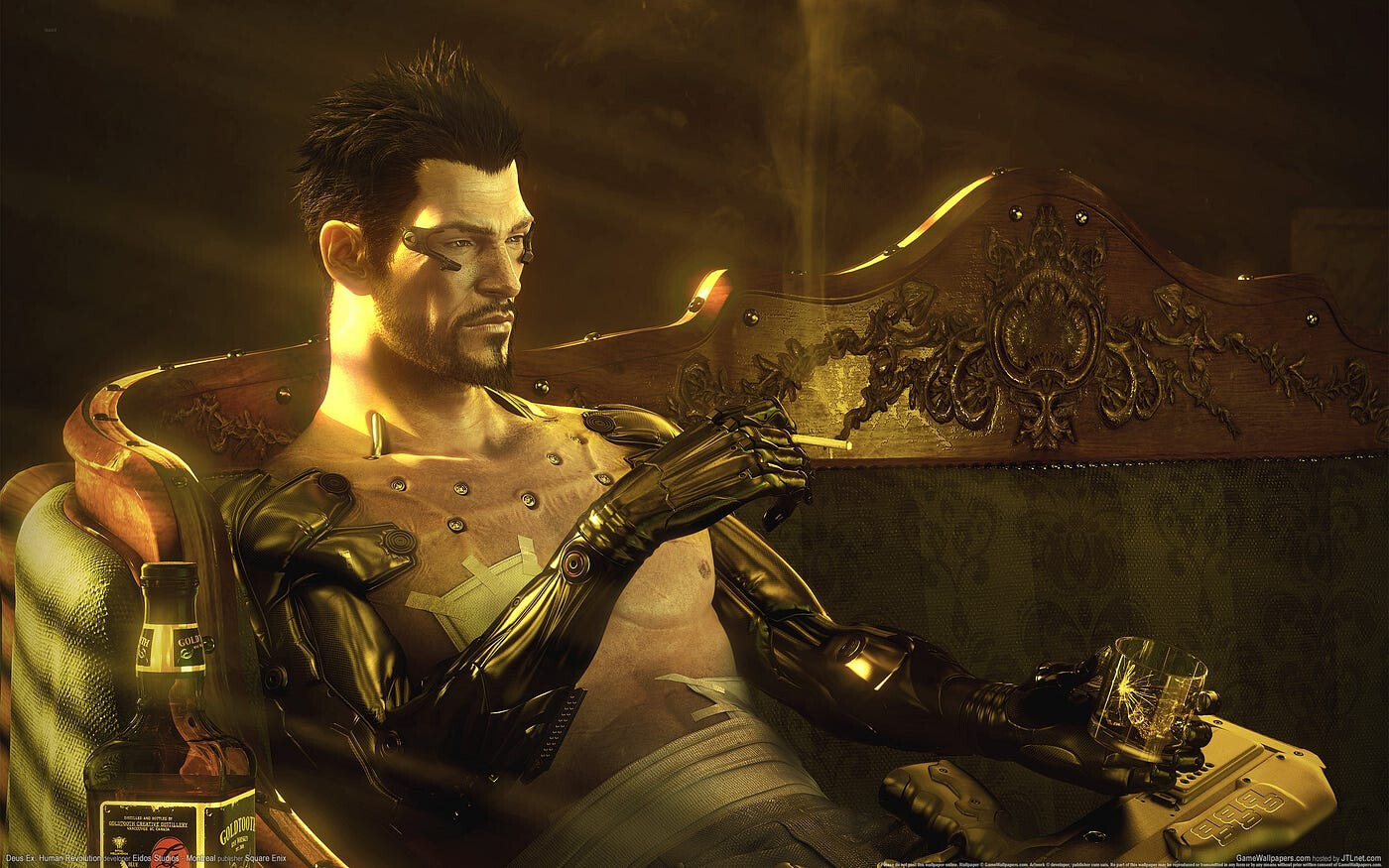
The series consistently blurs the line between utopia and dystopia. Nanotechnology and AI promise unprecedented human advancement, yet their misuse by corporations and governments transforms them into instruments of surveillance, manipulation, and inequality. The game asks: who controls the future — the masses, the elites, or those who embrace technology responsibly? It is a world where freedom is fragile, and progress depends on vigilance, discretion, and the courage to act independently. Privacy and careful action are often more important than openness, both in the game and in life, as secrecy can be the key to autonomy and self-determination.
Conspiracies in Deus Ex often expose uncomfortable truths about the interplay between technology and authority. Majestic-12 manipulates global events to maintain order through secrecy, while corporations engineer crises to justify their dominance. These threads suggest a universe in which knowledge and innovation are never neutral, highlighting the dangers of centralization while simultaneously showing that the same tools of control can empower rebellion, creativity, and self-realization.
The philosophical resonance of Deus Ex lies in its exploration of dualities: human and machine, freedom and control, secrecy and transparency. It posits that technology itself is not inherently oppressive, its ethical weight depends entirely on those who wield it. In doing so, the series mirrors libertarian ideals, showing that autonomy, knowledge, and collaboration are the keys to shaping a society where individuals, rather than institutions, determine the path of progress.
In the end, Deus Ex is a meditation on potential, not just technological, but human. It asks us to consider how power should be exercised, how innovation should be guided, and how freedom can survive in a world dominated by hidden agendas. For those who dare to question authority and embrace technology responsibly, the game offers a vision of transcendence: a society where knowledge and liberty coexist, and where the future is forged by those willing to wield freedom and innovation with courage and conscience.