Source: https://journals.sagepub.com/doi/full/10.1177/25166042241296275
Abstract
The carelessness of smokers has made cigarette butts the most pervasive tobacco product waste on beaches and on streets in urban areas. Cigarette butts may be small in size, but the havoc they wreak on human health and the natural environment is significant. Corvid Cleaning is a unique learning organization that came up with the idea of using crows and other corvids to clean cigarette butt waste. Christian Gunther-Hanssen, the founder of Corvid Cleaning, is faced with a unique challenge. While studying at Lund University in 2013, he envisioned using crows to address the pervasive problem of cigarette butt pollution in urban areas. Now, based in Södertälje, near Stockholm, Christian is on the verge of launching a pilot programme to deploy trained crows for this purpose. Christian’s decision dilemma revolves around determining the most effective way to implement and scale this innovative solution. The primary options include focusing on a small-scale pilot programme in Södertälje to refine the process or seeking broader support to quickly expand the initiative to other cities. Additionally, Christian must consider the ethical implications and potential health impacts on the crows involved. These choices will shape the future of Corvid Cleaning and its potential to revolutionize urban litter management. The case also highlights the inception of the project, its timeline, the process for training corvids, an examination of Corvid Cleaning from the context of the 4A framework, operational sustainability and, finally, the future of the project.
Learning Outcomes
By completing this case study, students should gain a deeper understanding of the following:
1.
The cigarette butt waste and associated cleaning costs in developed countries such as Sweden.
2.
The relationship between early operational practices and the long-term challenges and opportunities faced by Corvid Cleaning.
3.
The operational challenges faced by Corvid Cleaning’s innovative solutions in city centre cleaning services.
4.
The importance of having a 4A framework strategy for the long-term success of new operations.
Introduction
‘… we can teach crows to pick up cigarette butts but we can’t teach people not to throw them on the ground,’
- Tomas Thernström, Södertälje municipality, Stockholm County, Sweden
Although most of the coverage about smoking centres on the harmful impacts of smoking on human health, cigarette butts, a small part of cigarettes, are directly causing significant damage to the environment that is not noticed by most people. The most prevalent form of litter worldwide is cigarette butts and other tobacco product waste (TPW) items. The number of globally consumed cigarettes that are improperly deposited as butts into the environment each year is estimated to be 4.5 trillion, which generates 766 kilograms of toxic waste and releases thousands of chemicals into the air, water and soil (United Nations, 2022; WHO, 2022). Using data collected between 2013 and 2019, the European Environment Agency reports that cigarette butts and filters constitute one-fifth of litter (40% of all litter) on European beaches. Not only does cigarette waste constitute a large part of pollution, but it also is very slow to deteriorate. The National Oceanic and Atmospheric Administration (NOAA) and Woods Hole Sea Grant estimate that cigarette butts take 10 years to biodegrade in seawater (Feldman, 2019).
The cumulative impact of cigarette butt waste is staggering. Each cigarette butt weighs 0.2 grams per cigarette, which amounts to 1.1 million tons a year (the weight of remnant tobacco, discarded packages, lighters, matches and other tobacco products is not considered in this estimate). This mass represents about 0.3%, or 359 million tons, of plastic produced annually across the globe. Smokers in metropolitan settings dispose of cigarette butts as a force of habit. According to a national survey of 1,000 smokers conducted by The American Legacy Foundation, 74.1% of all respondents have disposed of a cigarette butt on the ground or out of a car window at least once in their lives (Novotny & Slaughter, 2014). The careless disposal of TPW appears to be an inescapable feature of smoking, and it results in a potentially damaging environmental burden as well as a risk to human and marine health through contamination.
The magnitude of the cigarette butt waste problem is also a big concern in Sweden,1 even though the cigarette smoking rate is one of the lowest in the European Union (EU). Smokers constitute only 5% of the population in Sweden, but this percentage is large enough to be a big concern. According to The Keep Sweden Tidy Foundation, nearly 1 billion cigarette butts are left on Sweden’s streets each year, which accounts for 62% of all litter in the country (The Guardian, 2022). According to a survey of 12 Swedish towns by The Local, on average, six casually discarded items occur in every 10 square metres surveyed. Furthermore, almost 80% of the litter in the survey was tobacco-related. Also, another survey of a Stockholm park reported that as many as 3,000 cigarette butts are discarded onto the ground every day (The Local, 2017). Cigarette butt pollution is a tricky problem to solve because neither smokers and non-smokers nor relevant authorities consider TPW to be toxic waste products, even though the numerous chemicals that occur in cigarette tobacco likely cause harm to the environment.
Related to the problems of cigarette butts is the Swedish organization Corvid Cleaning, which has recently been covered by news organizations. This group is garnering attention due to its experiments using corvids to clean cigarette butts from the streets of Stockholm. The objective of this case is to investigate how Corvid Cleaning can help clean cigarette butt waste. The case is structured as follows: The first section describes the cigarette butt waste and cleaning costs. The second section discusses the case of Corvid Cleaning, which includes its background, inception, timeline of Corvid Cleaning and crow’s training process. The third section highlights the 4A framework, which consists of acceptability, affordability, accessibility, awareness and operational sustainability and challenges, and the forth section discusses the future perspectives of Corvid Cleaning.
Cigarette Butt Waste and Cleaning Costs
Cigarette butt pollution incurs both direct and indirect financial and environmental costs. There are 6 trillion cigarettes sold annually, 75% of which become 4.5 trillion cigarette butts littered worldwide (WHO, 2022). The direct cost of butt waste refers to the harm to human health and the costs of deterrence and abatement (Schneider et al., 2020). Cigarette butts directly impact human health because they contain toxic substances that leak into the environment. Another direct cost results from efforts to dissuade smokers from littering butts or to make people aware of the harms of butt littering. Finally, abatement also costs millions in the form of waste management and clean-up costs.
There are several indirect costs as well. To be specific, costs are incurred on ecosystems through contamination and on the business and tourism sectors by creating unsightly surroundings. Cigarette butts are small, so they are often not picked up during mechanical or manual clean-up. What is left behind ends up on beaches or in streams or rivers. Additionally, cigarette butts are the most common plastic litter on beaches, making marine life more susceptible to micro leakages.
In Sweden, the estimation for the cost of picking up cigarette butts is around 80 öre (the Swedish coin) or more per cigarette butt, with some estimating SEK 2 per item (100 öre equals a Swedish krona [SEK], and 10.4 SEK is approximately equivalent to 1 USD). The city of Södertälje, near Stockholm, spends SEK 20 million (USD 2.7 million) on street cleaning annually (Butterfield, 2022). In comparison, in the UK, cleaning up cigarette butt costs local authorities approximately GBP 40 million per year despite smoking rates being the lowest that they have ever been in recorded history (Department of Environment, UK, 2021). In France, about 23 billion cigarette butts are discarded improperly every year, and the estimated cleaning cost is about EUR 100 million. However, France is following the ‘polluter pay’ principle to contribute EUR 80 million towards clean-up (Fullalove, 2021). These statistics demonstrate that cigarette butt pollution and its impact is more than a Swedish problem.
The Case: Corvid Cleaning
In 2013, Christian Gunther-Hanssen (henceforth, Christian), the founder of Corvid Cleaning, noted a bird cawing while he was studying for a test during the time he was enrolled at Lund University. From that brief glimpse of the bird, he conjured the idea of having wild birds gather litter. Later that same year, Christian ran the first tests using corvids to pick up litter. After building a second prototype of the animal behaviour experiment in 2019, Christian tried running another test at the Hagby Återvinnings central recycling centre in Täby. Although the experiment was not successful at first, he successfully trained several hooded crows (a common Eurasian crow) by 2021. Christian asserts that if crows collect cigarette butts, the cost of clean-up could be reduced by approximately 20 öre per cigarette compared to butt collection by people or human-operated machines. To cut costs, Christian has continued to work on the idea of recruiting and training crows to collect discarded cigarette butts from the streets of a Swedish city. The Guardian reports that Christian expects to cut the city’s butt removal budget by 75% with the help of the crows (The Guardian, 2022).
Inception
Corvid Cleaning is a start-up that began its journey in the city of Södertälje. The organization designed a machine that will reward crows after they retrieve and deposit cigarettes in a device designed by the founder. The enterprise is exploring the possibility of cleaning up litter by working with crows. The company, Corvid Cleaning, believes that their device can save city costs while cleaning up unhealthy and unaesthetic garbage.
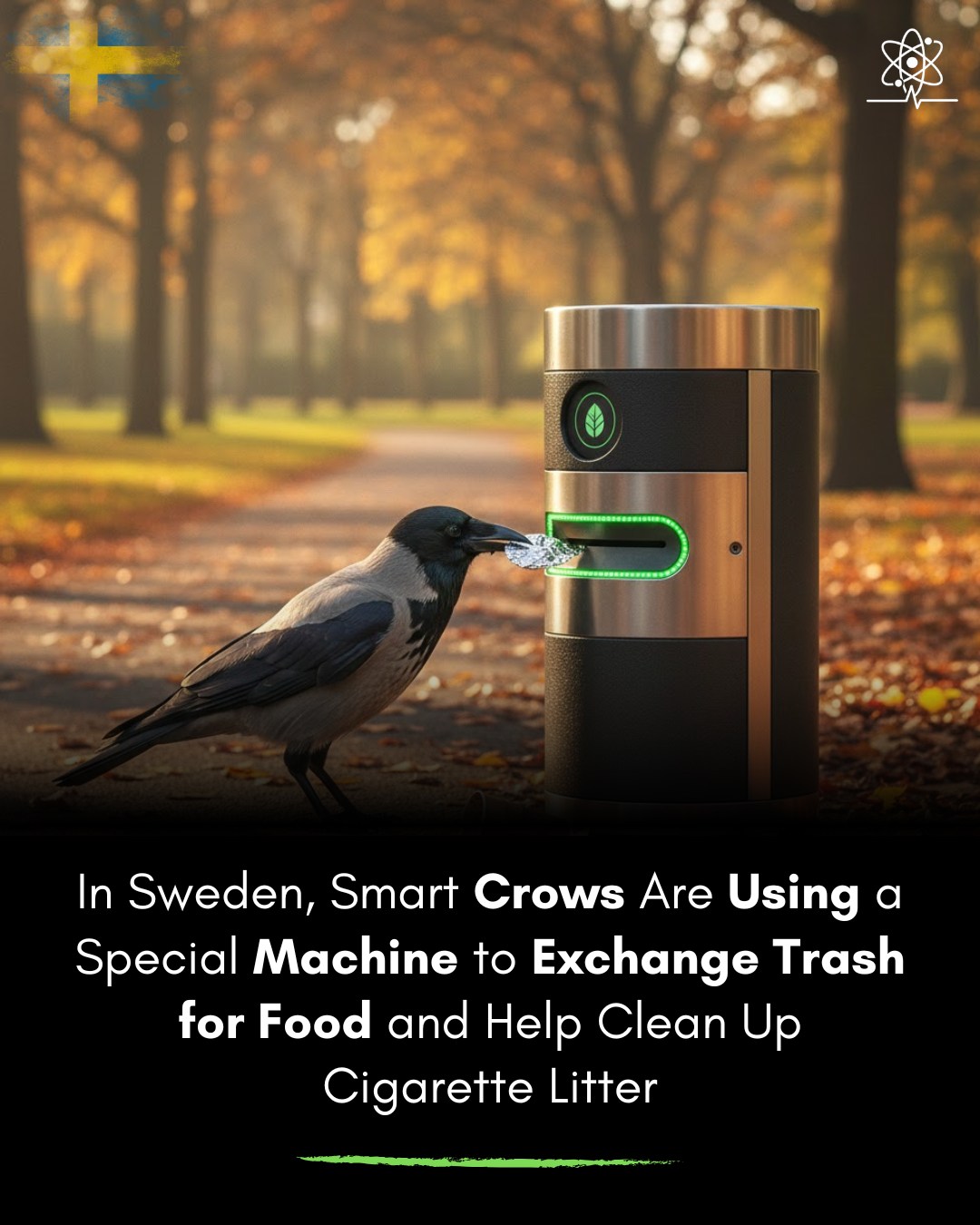
Christian told the Swedish online news site The Local that he only uses wild birds for his business and that any participating crows are ‘taking part voluntarily’. The idea behind the project is to train the birds to pick up litter and deposit it in a special vending machine, or bird bin. After the bird deposits the cigarette butt into the bin, they are rewarded with food. The bird bin can distinguish litter from other items, such as stones and leaves, to only reward deposits of litter.
Humans do not force the birds to participate. The birds collect as much or as little as they choose, with the only human interaction being emptying bins and replenishing them with food. Even during the training period, the birds only interact with the bird bin. The focus of this project is corvids (i.e., crow-like birds) in urban environments, so the birds are minimally affected by the project. So far, they have only used hooded crows, but magpies and jackdaws are also expected to soon be part of the project. However, these birds are not the only potential options, as other corvid species could also be trained to do the job.
Christian offered two reasons for choosing corvids for the project. First, the birds used are among the most intelligent of all animals and have a clear understanding of the exchange of litter for food. According to a 2014 study, crows demonstrated reasoning skills2 equivalent to that of a 7–10-year-old human child. The second reason for choosing corvids is that the project would enforce no change in the natural behaviour and natural habitat of the birds. The reason this statement is accurate is that these birds already live in human environments. Birds living in non-urban, wholly (or mostly) natural environments are not part of the project.
Since cigarette butts constitute more than 60% of all litter items and are simple for bird bins to identify as trash, it is considered to be the project’s first focus. The ultimate goal of Corvid Cleaning is to remove all harmful litter from the streets, as long as the birds’ health or habitat is not threatened.
Timeline of Corvid Cleaning
Before Corvid Cleaning began working in 2022, various individuals, organizations and countries have experimented in using birds to collect litter, with the first documented occurrences in 2008. However, none of the prior attempts have been successful. Corvid Cleaning is the first company to shape this innovative idea. A timeline of the Corvid Cleaning project is shown in Figure 1.
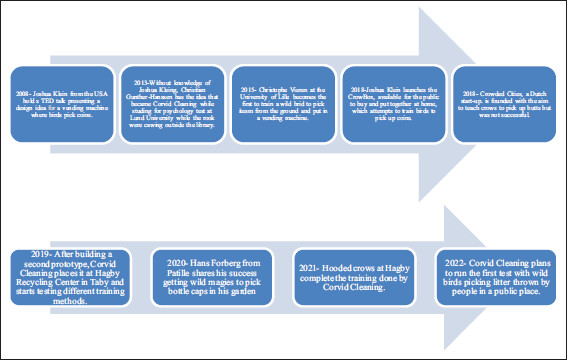
Figure 1. Timeline of Corvid Cleaning.
Crow’s Training Process
Christian initiated this project based on corvids because crows are so intelligent that they can be trained quickly using a step-by-step approach. The procedure involves a simple vending machine-style box and some food for the birds. The plan is based on giving and taking. Crows will pick up cigarette butts from the streets and dispose of them in the box. In return, the box will reward them with food.
However, crows do not pick up cigarettes initially. Thus, a multistep training process is involved. The bin design has a training mode that gives out food in different ways. The birds are rewarded at each step as they get closer to learning the target behaviour. The first step, for example, is to prompt the birds to take free food from the bird bin so they become familiar with the process and understand that they will be rewarded rather than harmed. In the next step, hooded crows are trained with sticks. When they pick up training sticks, they get peanuts as a reward. The final step is to induce the birds to transfer items placed in the bin and start picking up litter from the ground. Even though the project has yet to be implemented, there is a good chance of success as birds are easier to train and there is also a greater chance of them learning from each other. At the same time, there is also a lower risk of them mistakenly eating any rubbish.
4A Framework of Corvid Cleaning
The 4A framework is a model that describes Acceptability, Affordability, Accessibility and Awareness. The model is based on values that are most important to the customers (Ahmed et al., 2019; Sarker et al., 2022). The 4A framework can be used to understand how Corvid Cleaning can sustain itself in Sweden and spread to other similar regions too. For Corvid Cleaning to be accepted globally, it would need all four elements of the 4A framework to be successful. Evaluating Corvid Cleaning using the 4A framework (as shown in Figure 2) as a yardstick would help understand how this project can be adopted and sustained in the long run.
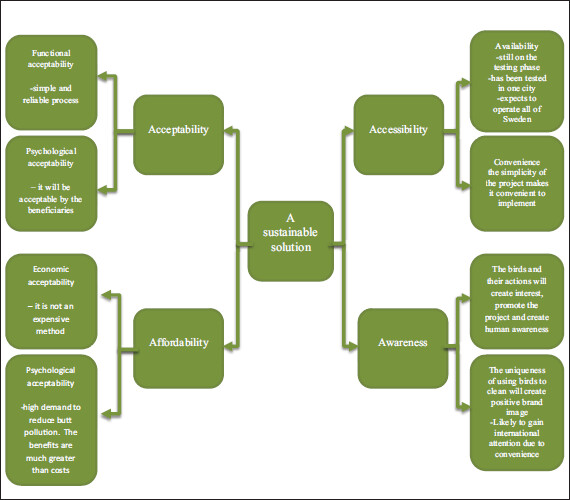
Figure 2. 4A framework for Corvid Cleaning.
Acceptability
Acceptability implies the willingness of users to adopt a product or service. Corvid Cleaning offers a very simple way to reduce cigarette butt pollution. The process requires a simple vending machine that will dispense food as a reward for the birds and an initial training period to train birds to retrieve specific litter from streets and dispose of it in the bird bin. The Corvid Cleaning service requires minimal adjustments for locations suitable for setting up. A factor in favour of the acceptability of using corvids to clean up butts is that an adopter receives significant benefits without needing to alter lifestyle, such as greater enforcement of litter laws. Additionally, due to the simple nature of the process, the Corvid Cleaning service is not expensive (i.e., financially demanding of adopters). To date, this process has not proven to be harmful to birds. To be sure, extensive research on the effects of this process on bird wellbeing is underway.
This project offers all elements of why it would be accepted if successful in achieving its goal. Corvid Cleaning can replace expensive and complicated methods of reducing cigarette butt pollution. Corvid Cleaning can be set up through government bodies or individuals, as well.
Affordability
According to Sheth and Sisodia (2012), both the ability and the willingness of customers to pay for a product or service determine its affordability. Affordability is probably the most attractive feature of the proposed Corvid Cleaning service. The setup costs for this process are very low. Additionally, their vending machine bird bins are easy and inexpensive to manufacture, use and install. The training process for those who install and maintain bins also does not require much investment in human resources. The birds learn from trial and error with little human intervention. The vending machine can be purchased or constructed and installed at affordable prices. Also, because it is a small device, it does not need much space and can thus to set up in a variety of locations around the community of Södertälje, near Stockholm.
Accessibility
Corvid Cleaning is still in the testing phase and is thus not yet accessible. However, once the project is implemented, it can be made accessible fairly easily. Accessibility includes non-economic barriers to acquiring the product or service, and these barriers are very low for the Corvid Cleaning service, as discussed earlier. In addition, once a group of birds is trained, the job is much easier because other birds will learn from the trained group of birds. The vending machine is very simple and affordable and can be distributed by authorities or sold at a subsidized price for individuals to install. Corvid Cleaning is planning its pilot programme in the city of Södertälje. If the programme is successful, it can be implemented in other municipalities around Sweden. This is an easily replicable programme. Depending on the success and publicity of the project, it has the potential to be implemented in any city or town that has corvids and cigarette butt pollution problems.
Awareness
Christian, the founder of Corvid Cleaning, did not want this project to make news until it proved to be successful, but, unexpectedly, news channels picked up on the project and it got global attention. Promoting the concept of Corvid Cleaning should be fairly easy and interesting. The uniqueness of using birds to clean up cigarettes will be attention-grabbing and even ‘buzzworthy’, and it can act as a promotional factor. People will become more aware of cigarette butt pollution, and the fact that birds are not affected as far as is known will garner support for the project. The birds might even be able to encourage smokers to refrain from discarding cigarette butts on the streets and dispose of them properly. The birds and their actions will create publicity!
Operational Sustainability and Challenges
In part due to the harmful impact of cigarette butts on the environment, cities, municipalities and relevant authorities in the USA and Europe have proposed or enacted a variety of methods to try to limit butt littering. Several cities in the USA have banned smoking on beaches. However, not all cigarette butts found on beaches are smoked on beaches. Rather, they are transported to the ocean by runoff from streets to the waterways to the ocean. Although many cities in the USA have implemented this rule, it has not proven to be a completely satisfying solution. Other options are also being used to prevent butt littering. For example, some cigarette packets carry warnings printed on them advising consumers not to litter. The cigarette industry is concerned that cigarette litter generates more pushback to the efforts of those companies, as cigarette production and smoking may be further encumbered with more rules, restrictions and penalties. So, to respond to the situation, the industry decided to sponsor anti-littering groups, distribute portable ashtrays and install permanent ashtrays in the downtown areas of numerous cities. However, none of these initiatives solved the problem of cigarette waste (Novotny & Slaughter, 2014). Other options include waste taxes or fines for littering. The EU is preparing legislation to make cigarette producers pay for litter clean-up. In comparison to all these policies, Corvid Cleaning is relatively easier and less expensive to implement. If implemented, it will have a higher probability of sustainability because birds are easy to train and the implementation of the project is simple and inexpensive. Of course, there are some challenges as the effects of the project on bird health have not yet been investigated. Additionally, it is uncertain how much litter the birds will pick up, how far they will fly to collect butts and how often they will do it.
Future Perspectives
Corvid Cleaning is still in the initial phase of developing its process. As a result, several questions are unanswered and must be cleared up before the project can begin in earnest. Christian was contacted by the authors through email to learn about the current condition of the project, and he confirmed that the project is underway but still very much in progress. Christian is currently cooperating with the University of Stockholm to undertake a study on the potential risks of tobacco on birds. Although there is little possibility that bird health might be negatively affected by the project as Christian mentions,
[B]irds in urban areas often eat human trash that is not nutritious or healthy for birds, as a result, chances are pretty good that this project might put birds on a better diet and improve their overall health.
Study results will only validate the viability of the project. According to our email communication, the project also requires ethical permits and approval from the relevant authorities before it can be launched formally. Therefore, the future of Corvid Cleaning and most of the unanswered questions will be answered once the pilot starts operation.
Recommendation
Based on the analysis of Corvid Cleaning’s unique approach to tackling cigarette butt pollution, the following recommendations are proposed:
Conduct a comprehensive pilot programme in Södertälje: Focus on a small-scale, controlled pilot programme in Södertälje. This will allow the team to refine the training process for the crows, evaluate the effectiveness of the vending machine bins, and closely monitor the health and behaviour of the birds involved. A detailed and well-documented pilot will provide valuable data and insights, ensuring that any issues can be identified and addressed before expanding the initiative.
Collaborate with academic and environmental organizations: Partner with institutions such as the University of Stockholm to conduct thorough research on the potential impacts of the project on bird health and behaviour. This collaboration can provide the necessary ethical oversight and scientific validation, increasing public trust and acceptance of the project.
Develop a public awareness campaign: Leverage the unique and compelling nature of the project to create a public awareness campaign. Highlight the environmental benefits of using crows for litter collection and the innovative aspect of the solution. This campaign can help educate the public about the dangers of cigarette butt pollution and promote responsible disposal habits among smokers.
Seek government and corporate partnerships: Engage with local government bodies and corporate sponsors to secure funding and support for the project. Government support can provide legitimacy and resources, while corporate sponsors, particularly those in the tobacco industry, may be interested in supporting the initiative as part of their corporate social responsibility efforts.
Implement the 4A framework: Utilize the 4A framework (Acceptability, Affordability, Accessibility and Awareness) to ensure the project’s long-term sustainability and scalability. Focus on making the technology easy to adopt (Acceptability), keeping costs low (Affordability), ensuring the vending machines are widely available (Accessibility) and continuously promoting the project to maintain public interest and engagement (Awareness).
Plan for gradual expansion: After the successful completion of the pilot programme and necessary adjustments, plan for a gradual expansion to other cities in Sweden and potentially other countries. This phased approach will allow for careful monitoring and adaptation, ensuring that each new implementation benefits from the lessons learned in previous phases.
By following these recommendations, Corvid Cleaning can effectively address the issue of cigarette butt pollution, garner public and governmental support, and pave the way for a sustainable and scalable solution to urban litter management.
Declaration of Conflicting Interests
The authors declared no potential conflicts of interest with respect to the research, authorship and/or publication of this article.
Funding
The author(s) disclosed receipt of the following financial support for the research, authorship, and/or publication of this article: This article received financial support from from InterResearch (Dhaka, Bangladesh).
ORCID iD
Jashim Uddin Ahmed https://orcid.org/0000-0001-8145-6912
Footnotes
1. Sweden is the largest country in Northern Europe, the third-largest country in the EU and the fifth largest country in Europe with 450,295 square kilometres. The capital and largest city is Stockholm. Sweden has a total population of 10.4 million, the largest of the Nordic countries, and a low population density of 25.5 inhabitants per square kilometre. 87% of Swedes live in urban areas, which cover 1.5% of the entire land area. The highest concentration is in the central and southern half of the country.