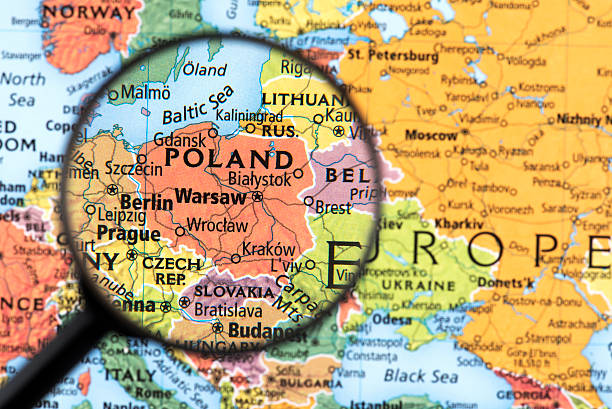
The Rise of the Poland–Ukraine Axis and the New Europe of the Three Seas
Poland is emerging as the future financial, economic, and military engine of the European Union. Through strategic policies of modernization, defense investment, and regional integration, Warsaw has solidified its position as the central pillar of the Three Seas Initiative—a project linking the Baltic, Adriatic, and Black Seas—and one that promises to redefine continental economic and energy flows.
Ukraine, following Poland’s example, finds in its neighbor a model for reconstruction and institutional development. By adopting similar reforms and investing in its agricultural, industrial, and energy capacity, Kyiv is preparing to play a complementary and decisive role in the new European balance.
With Ukraine’s future accession to the European Union, the continent’s political axis is expected to shift from the traditional France–Germany duo—now visibly strained by economic and demographic challenges—to the dynamic, youthful, and strategically positioned Poland–Ukraine partnership.
Ukraine possesses unique structural advantages: vast natural gas reserves, abundant freshwater, and fertile lands capable of securing Europe’s food security. Combined with the energy and logistical infrastructure being developed through the Three Seas Initiative, these resources could transform Eastern Europe into the true productive and strategic heart of 21st-century Europe.
The integration of North–South countries and the opening of new routes connecting Asia, the Middle East, and Northern Europe via this network will be decisive for European economic autonomy. Thus, the future of the Union may not emerge from the ancient capitals of the Western world, but from the fertile and resilient lands of the East.